Niagara River Boating Zones — Where You Can and Can't Go
Hey there, fellow boater! TJ here, from Port Colborne. We're gonna talk about the Niagara River today, and let me tell ya, this isn't just another waterway. It's a marvel, a beauty, and a beast all rolled into one. I've spent enough time on the water to know that respect for the environment you're in is paramount, and nowhere is that truer than on the Niagara River. It's got some of the most powerful currents you'll ever encounter, and it demands your full attention, every single time. I've seen folks get into trouble, and sometimes, it's because they just didn't know. They didn't understand the sheer force of that water, or where the absolute no-go zones are. My goal today is to make sure you're not one of them. We're talking about keeping you and your family safe, so listen up, because this isn't just advice – it's critical information for anyone thinking of dropping a boat in the Niagara.The Niagara River: A Force of Nature
The Niagara River isn't just a river; it's the conduit for four of the five Great Lakes, draining an immense volume of water from Lake Erie into Lake Ontario. That's a lot of water, and it's moving with incredible power. We're talking about an average flow rate of over 2,400 cubic metres per second! To put that in perspective, imagine 2,400 bathtubs full of water rushing past you every single second. It's a constant, relentless force that can sweep you away faster than you can say "Mayday." Unlike many other rivers where the current might be a gentle push, the Niagara's current is a dominant factor in every aspect of navigation. It dictates your speed, your fuel consumption, and most importantly, your safety. You can't just motor around here like you would on a calm lake. You need to be constantly aware, constantly planning, and always, always respecting the power beneath your hull. This river doesn't forgive mistakes, and it certainly doesn't care how experienced you think you are.Absolutely NO-GO Zones: The Falls and Rapids
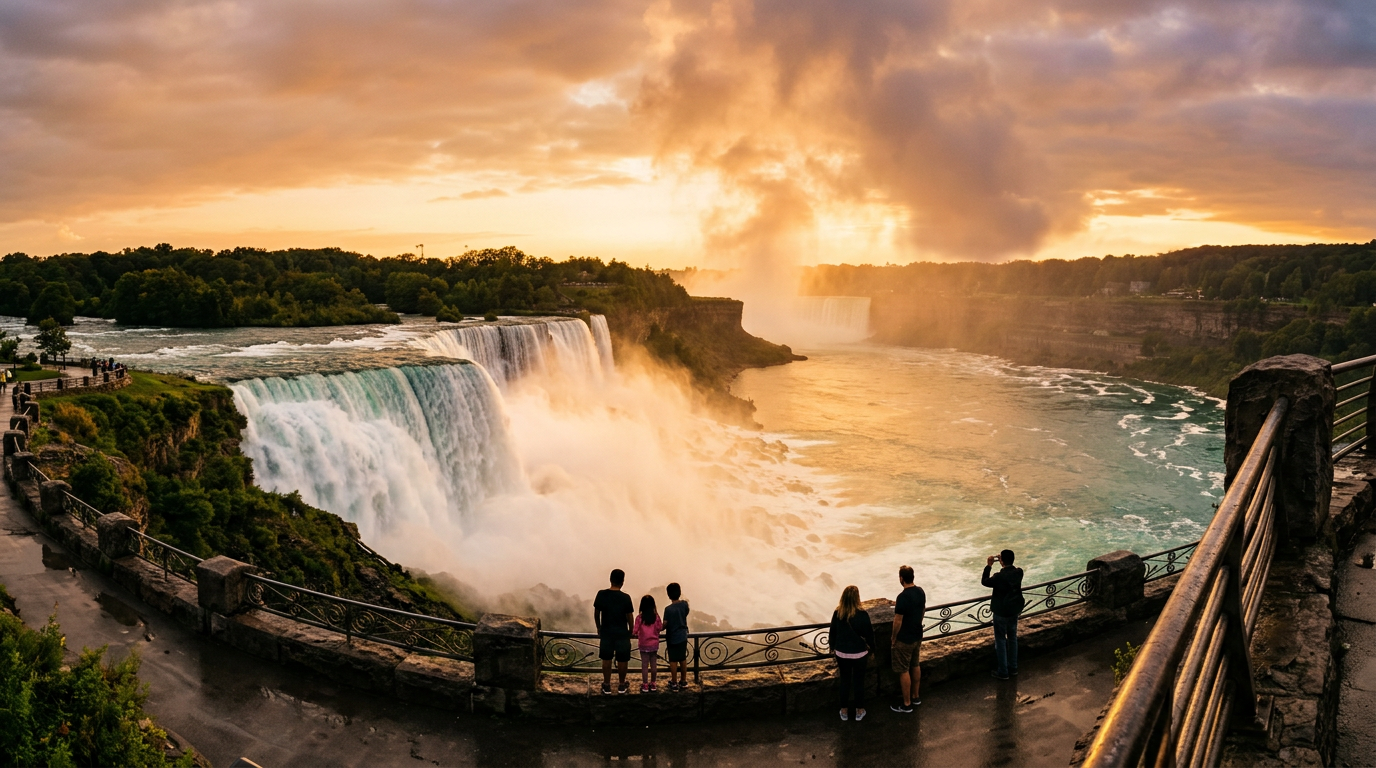
Let's get this out of the way first, because it's the most critical piece of information: **You cannot, under any circumstances, approach the Niagara Falls or the rapids leading up to them.** This isn't just a suggestion; it's a strict prohibition enforced by law, and more importantly, by the laws of nature. The area above the Falls, known as the Upper Rapids, is a death trap. The water accelerates, becomes incredibly turbulent, and drops significantly over a short distance before plunging over the Horseshoe Falls and the American Falls. There are clear signs, buoys, and barriers marking the restricted zones well upstream of the Falls. These are not suggestions; they are absolute boundaries. Crossing them puts your life, and the lives of anyone with you, in immediate and extreme peril. Even if your engine is running perfectly, the current is so strong that you would be pulled over the brink. There's no turning back once you're in those rapids. I've heard the stories, and they're not pretty. Don't even think about it. Stay well clear, observe the markers, and keep a safe, respectful distance. Your life depends on it.Hydroelectric Facility Restricted Areas
Beyond the obvious danger of the Falls, the Niagara River is also home to massive hydroelectric power generation facilities, both on the Canadian and American sides. On our side, you've got the Sir Adam Beck Generating Stations near Queenston. These facilities divert enormous volumes of water from the river to generate electricity, and that creates its own set of hazards for boaters. Near these generating stations, you'll find restricted areas marked by special buoys and signs. These zones are dangerous for several reasons: * **Strong Currents:** Water is either being rapidly drawn into intake channels or forcefully discharged from outflow channels. These currents can be incredibly powerful and unpredictable, easily overwhelming a small vessel. * **Turbulence:** The movement of such large volumes of water creates significant turbulence, eddies, and boils that can destabilize your boat. * **Submerged Structures:** There might be submerged structures associated with the intakes or outflows that pose a collision risk. Always keep a sharp eye out for these markers and maintain a wide berth. These aren't areas for sightseeing or fishing. They are industrial zones with inherent dangers that are not designed for recreational boating. Treat them with the same caution you would the Falls themselves.Upper Niagara River: Fort Erie to the Falls
Now, let's talk about the navigable parts of the river, starting with the Upper Niagara River, stretching from Lake Erie at Fort Erie down towards the Falls. This section of the river is popular for fishing and recreational boating, but it still demands vigilance. From Fort Erie, where the river begins its journey from Lake Erie, the current is noticeable but generally manageable. This is where many boaters access the river, with several ramps available in the Fort Erie area. It's a beautiful stretch, offering views of both the Canadian and American shorelines. However, as you head downstream, towards Chippawa, the current progressively strengthens. You'll feel your boat working harder, especially when heading upstream against the flow. The international boundary between Canada and the United States runs right down the middle of the river here. We'll talk more about that in a bit, but it's crucial to be aware of your position at all times. As you approach Chippawa, the river narrows and the current really starts to pick up. This is where you need to be extra cautious. The closer you get to the restricted zones above the Falls, the more dangerous the current becomes. Always keep a safe distance from the marked boundaries of the Upper Rapids. This isn't the place to test your boat's limits or your own courage.Lower Niagara River: Queenston-Lewiston to Lake Ontario
Once the Niagara River has plunged over the Falls and carved its way through the gorge, it emerges as the Lower Niagara River, flowing from the Queenston-Lewiston area northwards into Lake Ontario at Niagara-on-the-Lake. This section is dramatically different from the upper river. The gorge walls are steep and impressive, and while the current is still very strong, it's generally more predictable than the turbulent waters above the Falls. This part of the river is renowned for its fantastic fishing, especially for salmon and trout, and it's a popular spot for guided fishing charters. Access points include ramps in Queenston and at Niagara-on-the-Lake. When heading upstream from Lake Ontario, you'll be fighting a powerful current, so plan your fuel accordingly. Downstream travel is much faster, but you still need to be in control. Again, the international boundary runs down the middle of this section. You'll see the impressive Queenston-Lewiston Bridge spanning the gorge, marking a significant crossing point. While the dangers of the Falls are behind you, the powerful current, deep water, and commercial traffic (though less frequent than in the upper river) still require your full attention. Always be aware of other vessels, especially larger ones, and give them plenty of room.The International Boundary: Crossing the Line
This is a big one, folks, and it's easy to accidentally mess up if you're not paying attention. The Niagara River forms a natural border between Canada and the United States. That means the invisible line running down the middle of the river is an international boundary. **You cannot simply cross this boundary and land on the other side without reporting to customs.** This applies even if you're just drifting or fishing near the middle. If you intend to enter US waters or land on the US side, you *must* report to US Customs and Border Protection. Similarly, if you're coming from the US side into Canadian waters or landing in Canada, you *must* report to the Canada Border Services Agency (CBSA). Failing to report can lead to serious penalties, including fines, seizure of your vessel, and even criminal charges. It's not worth the risk. If you're planning to cross, make sure you understand the reporting procedures, such as using the CANPASS Marine Telephone Reporting Centre or having a NEXUS card. Always carry your identification, vessel registration, and any required permits. Ignorance of the law is no excuse. Keep a good chart on board, know your GPS coordinates, and stay aware of which side of the river you're on. For more information on vessel registration, including getting compliant decals for your boat, check out compliancelettering.ca. They can help you ensure your boat meets all the Small Vessel Regulations SOR/2010-91 requirements for clear and visible numbering.Current Strength and Hidden Dangers
I can't stress this enough: the current in the Niagara River is a constant, powerful force. It's not like a lake where you can just drift. Even in seemingly calm areas, the water is moving. * **Engine Failure:** Imagine this: you're heading upstream, fighting the current, and your engine suddenly dies. That current, which you were just battling, now becomes your enemy, pushing you rapidly downstream. If you're anywhere near the restricted zones, this could be catastrophic. Always ensure your engine is in top condition, carry a secondary means of propulsion (like a kicker motor if your boat allows), and have a reliable anchor system that can hold in a strong current. * **Eddies and Undertows:** The river isn't a uniform flow. Around bends, near structures, or where the depth changes, you'll encounter eddies (swirling water) and undertows. These can pull your boat unexpectedly or make steering difficult. * **Debris:** All that water flowing from Lake Erie carries debris – logs, branches, even larger items, especially after heavy rains or storms. These can be partially submerged and incredibly difficult to spot, posing a serious collision risk to your hull or propeller. * **Anchoring:** If you need to anchor, you need a heavy-duty anchor and plenty of rode. A standard lake anchor might not hold in the Niagara's current. Always anchor from the bow, never the stern, to prevent swamping. And be mindful of where you're anchoring – don't block navigation channels. And speaking of dangers, let's talk about lifejackets. The Lifesaving Society reports that 80% of boating-related drownings in Canada involved individuals who were not wearing a lifejacket or PFD. On a river like the Niagara, where the water is cold, the current is strong, and rescue can be challenging, wearing a properly fitted lifejacket is not optional; it's a non-negotiable safety measure for everyone on board. Don't just have them on the boat; wear them.Essential Safety Tips for the Niagara River
Boating on the Niagara River requires a heightened level of preparedness. Here are some non-negotiable tips: * **Pre-Departure Checklist:** Before you even leave the dock, run through a thorough checklist. Check your fuel, oil, battery, and all safety equipment. Make sure your engine is running smoothly. For a comprehensive list, check out our Pre-Departure Checklist page. * **Know Your Boat's Capabilities:** Understand how your boat handles in strong currents. If you're new to the river, consider going out with an experienced boater first. Don't push your limits. * **File a Float Plan:** Always tell someone responsible where you're going, your planned route, who's with you, and when you expect to return. This is crucial if you run into trouble. * **VHF Radio:** A reliable VHF radio is essential for communication, especially for monitoring weather alerts and communicating with other vessels or rescue services. Cell phone coverage can be spotty, and a VHF is much more reliable on the water. * **Monitor Weather:** Weather conditions can change rapidly, especially near the Great Lakes. Strong winds can quickly whip up dangerous waves, and storms can bring heavy rain and lightning. Always check the marine forecast before and during your trip. * **Safety Gear:** Ensure you have all the required safety equipment on board as per the Small Vessel Regulations SOR/2010-91, including lifejackets for everyone, a sound-signalling device, a bailer or pump, a buoyant heaving line, and navigation lights. For more details, see our Boating Safety Gear guide. * **Navigation Aids:** Understand buoys and other navigation markers. The Niagara River has specific buoyage to guide you and warn you of hazards. Familiarize yourself with them. Our Understanding Buoyage page can help. * **Boat Registration:** Make sure your boat's registration numbers are clear, visible, and meet the Small Vessel Regulations. If you need new ones, check out compliancelettering.ca – they do a great job with compliant boat registration decals.Respect the River
The Niagara River is an incredible natural wonder, offering breathtaking scenery and fantastic boating opportunities. But it's also a powerful, unforgiving force that demands the utmost respect from every boater. It's not a place for complacency, carelessness, or showing off. As someone who's spent years on these waters, I've learned that safety isn't just about following rules; it's about having a deep understanding and respect for the environment you're in. Plan your trips carefully, stay alert, know your limits, and always prioritize the safety of yourself and your passengers. The Niagara River is a privilege to boat on, and by being prepared and respectful, we can all ensure it remains a safe and enjoyable experience for everyone.Frequently Asked Questions (FAQ)
- Q: Can I fish anywhere on the Niagara River?
- A: While the Niagara River is famous for its fishing, there are definitely areas where you cannot fish or even enter. These include the restricted zones near the Falls and rapids, and around hydroelectric generating stations. Always observe posted signs and buoyage. Also, remember that fishing regulations and licensing can differ between Canadian and US waters, so be aware of your position and local rules.
- Q: What happens if I accidentally cross the international boundary?
- A: Accidentally crossing the international boundary without reporting can still lead to serious consequences. While an honest mistake might be treated differently than a deliberate attempt to evade customs, it's best to avoid it entirely. Always know your position using a GPS and a chart, and if you realize you've crossed, contact the appropriate customs agency (CBSA for Canada, CBP for the US) immediately to report your situation. It's always better to self-report than to be discovered.
- Q: Is the current stronger in the Upper or Lower Niagara River?
- A: The current is generally at its most extreme and dangerous in the Upper Niagara River, particularly as you approach the Upper Rapids and the Falls. The Lower Niagara River, while still having a very strong current, is more navigable for recreational boats, especially further downstream towards Lake Ontario. However, both sections demand respect for the powerful flow of water. Always factor the current into your navigation and fuel planning.
- Q: Do I need special permits to boat on the Niagara River?
- A: For Canadian-registered vessels, you need your Pleasure Craft Operator Card (PCOC) and your vessel must be registered or licenced according to Small Vessel Regulations SOR/2010-91. If you plan to cross into US waters, you'll need to follow US customs reporting procedures and ensure you have all necessary identification and documentation. There aren't specific "Niagara River permits" beyond standard boating requirements, but the international border aspect adds a layer of complexity.